
Shopping Cart
There are no more items in your cart
- Essential oils and pet care
- 0 likes
- 716 views
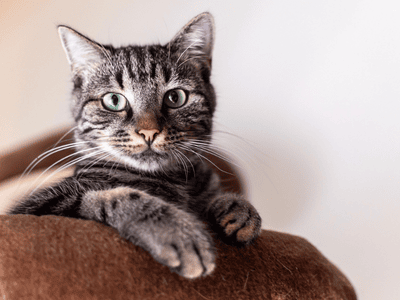
Essential oils and cats: what you need to know for their safety
Essential oils are invaluable allies for our well-being, but when you live with a cat, their use requires great caution. The feline liver does not metabolize certain molecules in essential oils, which can be dangerous for their health.
The dangers of essential oils for cats
Certain essential oils are formally contraindicated in cats, due to their particular metabolic sensitivity. The cat's liver lacks the enzymes needed to break down certain aromatic compounds such as phenols, ketones and monoterpenes. The accumulation of these molecules can be neurotoxic, , hepatotoxic, or even fatal, even for broadcast or indirect use.
Essential oils prohibited or strongly discouraged for cats
Dangerous categories
| Chemical family | Examples | Risks |
|---|---|---|
| Phenols | Oregano, Thyme thymol, Clove tree, Mountain savory | Highly irritant, hepatotoxic |
| Monoterpenes | Pine, Turpentine, Fir, Cypress, Juniper, Eucalyptus globulus | Neurotoxic, respiratory problems |
| Ketones | Sage, Hyssop, Rosemary camphor, Peppermint | Neurotoxic, convulsions |
| Lactones, furanocoumarins | Bergamot (not deterpenated), Lemon, Bitter orange (for cutaneous application) | Photosensitizers |
List of toxic essential oils for cats
-
-
Tea tree (Melaleuca alternifolia)
-
Tropical basil (Ocimum basilicum var. basilicum)
-
CinnamonBark and leaf(Cinnamomum verum, Cinnamomum cassia)
-
Atlas Cedar (Cedrus atlantica)
-
Lemongrass (Cymbopogon citratus) - for prolonged diffusion
-
Eucalyptus globulus (Eucalyptus globulus)
-
Juniper (Juniperus communis)
-
Clove (Syzygium aromaticum)
-
Lavender aspic (Lavandula latifolia) - rich in camphor
-
Peppermint (Mentha piperita)
-
Oregano (Origanum vulgare)
-
Scots pine (Pinus sylvestris)
-
Rosemary camphor (Rosmarinus officinalis)
-
Common sage (Salvia officinalis)
-
Thymol thyme (Thymus vulgaris)
-
Forbidden or risky use in cats
Atmospheric diffusion
-
Never in the direct presence of a cat, even with reputedly "gentle" oils such as True Lavender.
Cutaneous application
-
Not permitted, even diluted, cats lick themselves and can ingest the molecules.
Ingestion
-
Very dangerous, even at very low doses, whether direct or indirect.
Safe alternatives (with caution)
If absolutely necessary, certain essential oils can be used to very low dose and only on the opinion of a veterinary aromatherapist :
-
Fine lavender(Lavandula angustifolia) or Lavandin - for indirect, very occasional diffusion.
-
Roman chamomile
-
Italian Helichrysum - topical in extreme dilution.
-
Ladaniferous rockrose - targeted veterinary use.
Hydrolats: a safe alternative
Prefer hydrolats (floral waters), which are non-toxic to cats and much better tolerated. Here are a few safe options:
-
Chamomile hydrosol
-
True lavender hydrosol
-
Rose hydrosol
In a nutshell
| Absolutely avoid | Use with extreme caution | Preferable |
|---|---|---|
| All EOs rich in phenols, ketones, monoterpenes | Lavender, Chamomile, Helichrysum (on veterinary advice) | Hydrolats (floral waters) |
Important precaution with all your animals
When diffusing essential oils, always allow your pets to leave the room freely. Animals have a different respiratory system and metabolism to us, which can make them more sensitive to aromatic molecules.
Leave a door open or access to the outside so they can get away if the smell becomes too strong or unpleasant. This avoids any stress, discomfort or adverse reaction.
To remember never diffuse in an enclosed space with no escape route for your four-legged companions.